
Evening Screen-Off Program
A structured 4-week lifestyle plan to reduce phone, tablet, and TV use 1–2 hours before bed. "Detox" here means device-free time — not a medical detox.
View the 4-Week Program4-Week Program to Quit Pre-Sleep Screens
- Week 1 — Track pre-sleep screen use: Note every time you pick up a phone, open a laptop, or watch TV in the 2 hours before bed. Record which device and why — habit, boredom, work, or anxiety. No changes yet; you need a baseline of current screen behaviour before quitting.
- Week 2 — 30-minute screen-off window: Set a "screens off" alarm 30 minutes before your target sleep time. All phones, tablets, and TVs stay off until morning. Use reading, tea, or stretching instead. If you slip, log it and restart the next night — the program continues.
- Week 3 — 60-minute screen-off window: Double the pre-sleep screen-free period. Move chargers out of the bedroom. Disable non-essential notifications after 8 pm. Tell household members you are unavailable on screens during this window.
- Week 4 — 90-minute screen-off window: Full program target: no screens for 90 minutes before sleep. Fixed sequence — shower, caffeine-free tea, read, lights dim. Adjust timing to your usual bedtime. Individual experiences vary; this is a lifestyle habit plan, not medical guidance.
Pre-Sleep Timeline: When to Quit Each Screen
6:30 pm — Last intentional screen check
Reply to urgent messages, set tomorrow's alarm on a non-phone clock, then place all devices in a basket outside the bedroom. This is your last planned screen use — not "one more scroll" after dinner.
7:30 pm — Screens fully off
Phone, tablet, laptop, and TV remain off for the rest of the night. If someone calls, use a landline or decide whether it can wait until morning. The program depends on this boundary.
8:30 pm — No-screen activities
Reading, meditation, warm tea, or gentle stretching — see our No-Screen Activities guide. No "just checking" the phone during this block.
9:30 pm — Bed, still screen-free
Into bed without devices. Paper book or audio with sleep timer only. If you feel the urge to grab your phone, wait 60 seconds — most urges pass.
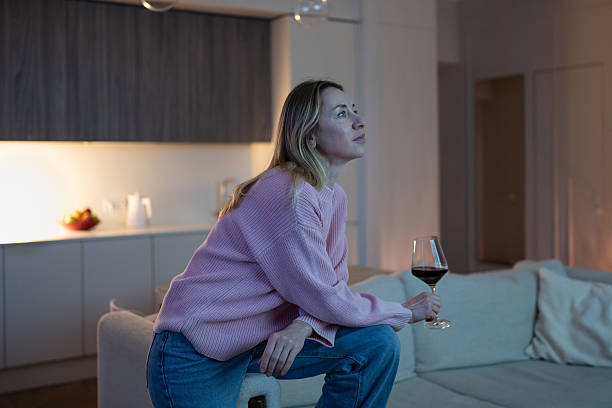
Create a screen-free zone at home
Safety Guidelines
Evening screen-off programs on this site are general lifestyle suggestions only. They are not a substitute for advice from a qualified health professional. Use the following guidelines while adjusting your evening habits.
- Consult a qualified health provider in Australia if you have ongoing sleep concerns or any condition that affects your rest.
- Do not stop prescribed medications or treatments based on information from this website. Discuss any lifestyle changes with your provider if you have existing health conditions.
- Keep evening stretching and movement gentle. Stop immediately if you feel pain, dizziness, or shortness of breath.
- Limit caffeine intake after 2 pm where possible, as it can interfere with sleep regardless of evening screen habits.
- Avoid driving or operating heavy machinery when feeling drowsy. Screen-free evenings should support safety, not replace adequate rest.
- If you rely on devices for medical alerts or emergency communication, maintain access while reducing non-essential use. Adapt the screen-off plan to your specific needs.
- Children and adolescents require age-appropriate screen limits. Parents and guardians should set household rules consistent with Australian health guidelines for youth screen time.
- Be mindful of mental health. If reducing screen use increases anxiety or isolation, seek support from a qualified counsellor or helpline such as Lifeline Australia (13 11 14).

Prepare for common evening challenges
Overcoming Common Screen-Off Challenges
"I need my phone for emergencies." Keep the phone in the room but out of arm's reach — on a dresser across the room with notifications silenced except for priority contacts. You maintain access without the scroll trap of having it on the pillow beside you.
"My partner watches TV in bed." Negotiate a compromise: headphones for them, an eye mask and earplugs for you, or a shared agreement to stop TV 30 minutes before sleep. Different schedules in one household require communication, not identical routines.
"I work late and cannot unplug for 90 minutes." Protect whatever window you can — even 20 minutes of intentional wind-down beats zero. Batch work communications into defined blocks rather than continuous availability. Quality of the wind-down matters alongside duration.
"I keep failing after two days." Shrink the goal. A 10-minute phone-free window that you hit five nights a week outperforms a 90-minute target you abandon. Build the habit loop first, then expand the duration gradually.
No-Screen Activities GuideStart Quitting Pre-Sleep Screens Tonight
Begin Week 1: track every screen you use in the 2 hours before bed. Or jump to the 15-Minute Without Phone micro-program.
Try a Micro Program